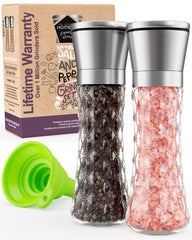
Coarse vs Fine Grind: How to Use Your Adjustable Pepper Grinder Like a Pro
There's a small dial or knob on your pepper grinder that most people spin once, forget about, and never touch again. That's a shame — because that little adjustment is the difference between pepper that gets lost in a dish and pepper that actually does something. Understanding your adjustable pepper grinder's coarse vs fine grind settings isn't some advanced cooking technique. It's just knowing how to use the tool you already own.

What the Grind Setting Is Actually Controlling
When you adjust the grind setting on a burr-style pepper grinder, you're changing the gap between the two grinding burrs — the ceramic or carbon steel discs that crack the peppercorns. A wider gap means the burrs crush the corn into coarser, irregular fragments. A tighter gap turns those same peppercorns into a fine, almost dusty powder.
That's it. No magic, no mystery. The mechanism is straightforward, but the flavor impact is real and worth understanding.
Why Grind Size Actually Affects Flavor
Peppercorns contain volatile aromatic compounds — the oils responsible for that sharp, woody, slightly floral heat. The finer you grind, the more surface area you expose, and the faster those aromatics hit the air and dissipate. Fine-ground pepper releases its flavor almost instantly, which is why it integrates so quickly into a sauce or dressing.
Coarsely ground pepper is slower and more persistent. Those bigger fragments take longer to break down on the tongue, which means you get a longer, punchier pepper hit. That's not better or worse — it's just a different effect, suited to different situations.

When to Use a Fine Grind
Fine grind is your go-to whenever you want pepper to disappear into a dish rather than announce itself. Think cream sauces, vinaigrettes, egg dishes, and anything where you're building a balanced background flavor rather than a peppery focal point.
It's also the right call for baking. If a recipe calls for pepper — certain shortbread cookies, spiced cakes, focaccia — a coarse grind would leave visible flecks and uneven spice pockets. Fine grind distributes evenly through the batter or dough without any surprise bites.
One more place fine grind wins: table service. When people are seasoning their own plates, a fine setting gives them more control. A little goes a long way, and there's no risk of dropping a giant peppercorn chunk onto a delicate dish.
When to Use a Coarse Grind
Coarse is where pepper gets dramatic. A steak au poivre — the classic French preparation where crushed peppercorns form a crust on the meat — only works with coarse grind. You need those bigger pieces to hold up to searing heat without burning away entirely.
The same logic applies to marinades and dry rubs. Coarse fragments cling to the surface of meat and fish, creating texture and releasing slowly during cooking. Fine powder just falls off or scorches before it can do anything useful.
Coarse grind also shines as a finishing touch. A few turns over a bowl of pasta, a freshly plated soup, or a slice of burrata right before serving — you see it, you smell it, and you taste it in distinct little pops. That's the coarse grind doing exactly what it's supposed to do.

Home EC Salt and Pepper Grinder Set 2pk-Short - Gold
An adjustable ceramic burr grinder in a compact gold finish — perfect for dialing between a fine dusting for sauces and a bold coarse crack for finishing. Two grinders, one sleek set.
Shop Now →The Middle Settings: Don't Overlook Them
Most grinders give you more than two options. That range between fully fine and fully coarse is where a lot of everyday cooking actually lives. A medium grind works beautifully for roasted vegetables — coarse enough to see, fine enough to spread evenly across a sheet pan. It's also the setting most cooks want for general table use when they can't decide between bold and subtle.
Spend a few minutes grinding a pinch at each setting and tasting side by side. You'll feel the difference in texture and notice how quickly the aroma hits. That five-minute experiment will do more for your cooking than any rule of thumb.
How to Actually Adjust Your Grinder
The adjustment mechanism varies by grinder design, but there are two common setups. The first is a knob at the top of the grinder — usually the cap you twist to refill. Tighten it down (clockwise) for a finer grind; loosen it (counter-clockwise) for coarser. The second is a dial or nut underneath the base that works the same way.
Either way, make small adjustments and test as you go. Half a turn can make a noticeable difference. And if you've just refilled your grinder, give it a few turns over a bowl before using it at the table — the first few grinds after a refill tend to be inconsistent until the peppercorns seat properly in the burrs.

Does Peppercorn Quality Matter?
Yes — more than most people expect. Freshness matters enormously with whole peppercorns. A two-year-old jar of peppercorns ground fine will still taste flat and dusty no matter what your grinder does. Look for peppercorns that are plump, heavy, and deeply fragrant when you crack one between your fingers. Tellicherry black pepper from India and Kampot pepper from Cambodia are widely considered benchmarks, and both are easy enough to find online or at specialty grocery stores.
The grinder is the instrument. The peppercorn is the ingredient. Both matter.

Home EC Salt and Pepper Grinder Set 2pk-Short - Gun Metal Bronze
This gunmetal bronze duo combines a sharp industrial look with a fully adjustable ceramic mechanism — the kind of grinder that's equally at home on a rustic farmhouse table or a modern kitchen counter.
Shop Now →A Quick Reference: Which Grind for What
Fine grind: sauces, dressings, eggs, baked goods, table seasoning where subtlety counts.
Medium grind: roasted vegetables, everyday cooking, general-purpose table use.
Coarse grind: steak crusts, dry rubs, marinades, finishing garnishes where you want pepper to show up visually and hit hard.
That's really the whole framework. Once it clicks, you'll find yourself reaching for your grinder's adjustment more often — and actually tasting the difference every time you do.
Related Posts
Can You Put Himalayan Salt in a Grinder? Yes — But Here's What to Know First
What Salt to Use in a Salt Grinder (And What You Should Never Put in One)