
Is Ceramic Cookware Safe and Non Toxic? Here's What the Science Actually Says
If you've spent any time reading labels in a cookware aisle lately, you've probably noticed a pattern: everyone's claiming to be "free from" something. Free from PFOA. Free from PTFE. Free from lead. It raises a fair question — is ceramic cookware safe and non toxic, or is this just another marketing wave dressed up in earthy aesthetics? The short answer: yes, ceramic cookware is genuinely one of the safest options available. But the longer answer has some nuance worth understanding before you hand over your credit card.

What Makes Ceramic Different from Traditional Nonstick?
Traditional nonstick pans — the dark-coated Teflon-style kind most of us grew up with — rely on a synthetic polymer called polytetrafluoroethylene (PTFE). It's slippery, it works, and for years nobody thought twice about it. The problem is what happens when those pans overheat.
PTFE starts to break down around 500°F (260°C). When it does, it can release fumes that cause flu-like symptoms in humans and are lethal to pet birds — a phenomenon researchers have documented since the 1960s. The chemical PFOA, once used to manufacture PTFE coatings, was phased out by the EPA in 2015 due to links with kidney cancer, thyroid disease, and other health concerns.
Ceramic coatings take a completely different approach. They're made from a sol-gel process using inorganic materials — primarily silica, which is derived from sand. No PTFE. No PFAS. No fluoropolymers of any kind. The coating is essentially hardened silicon dioxide, which is about as chemically inert as kitchen materials get.
Is Ceramic Cookware Safe at High Temperatures?
This is where ceramic really earns its reputation. Because the coating is inorganic, it doesn't off-gas toxic fumes when heated — even above 450°F. You can sear chicken thighs on medium-high without worrying about what's evaporating into your kitchen air. That alone makes it a significant step up from PTFE for anyone who cooks with real heat.
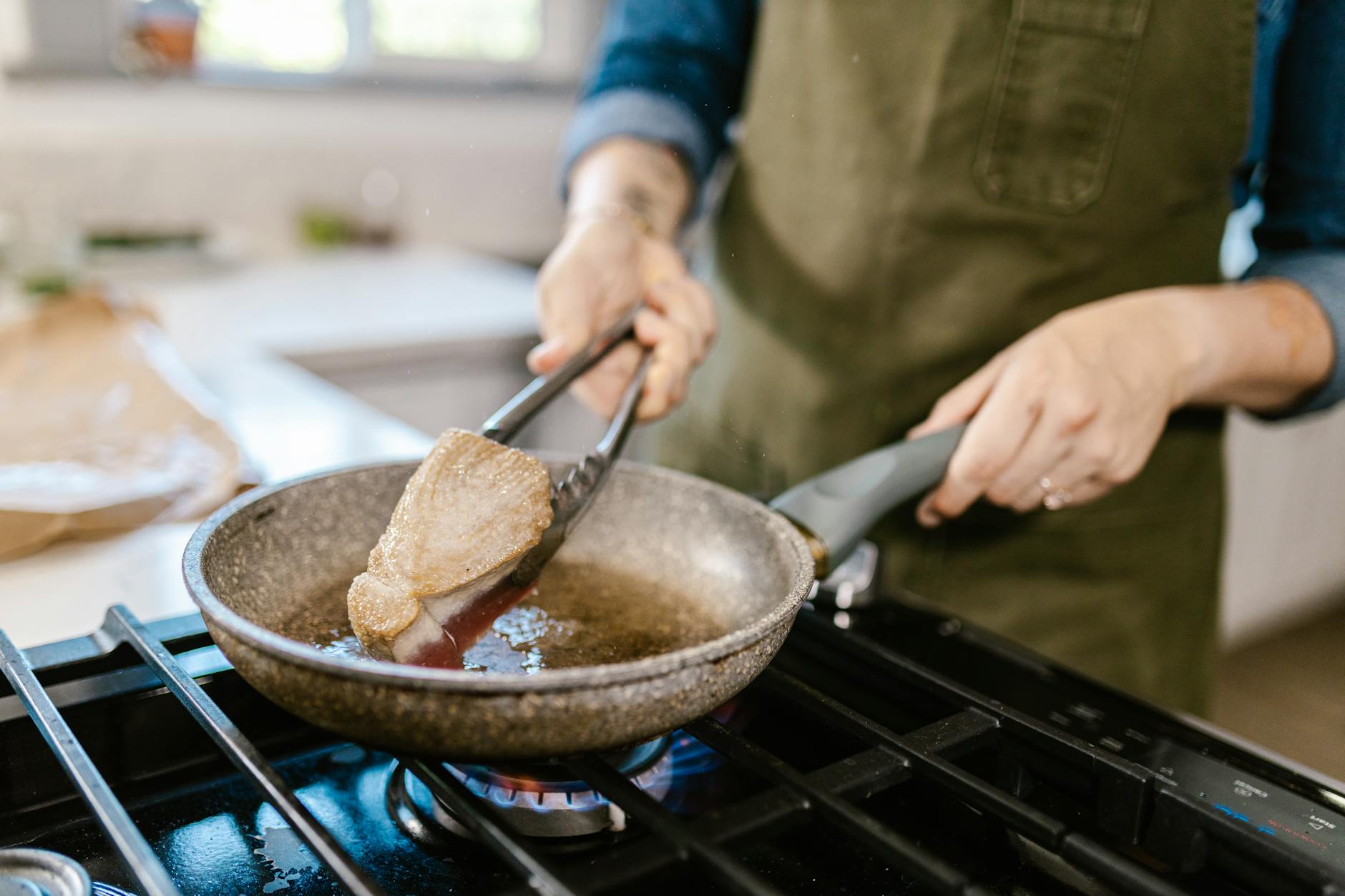
That said, there's a practical limit. Ceramic nonstick coatings don't love sustained high heat over long periods — not because they become unsafe, but because extreme temperatures can degrade the nonstick performance faster. Your coating won't release toxins, but it might lose its slick surface sooner if you're constantly cranking the burner to maximum. Medium to medium-high heat is the sweet spot for longevity.
What About Lead and Cadmium?
Here's where people sometimes get confused. Pure ceramic dishes — the kind fired in a kiln, like pottery — can occasionally contain lead or cadmium in their glazes, especially if they're imported from countries with less stringent manufacturing standards. That's a legitimate concern for ceramic bakeware and decorative dishes.
Ceramic-coated cookware, though, is a different animal entirely. The sol-gel coating applied to aluminum or stainless steel pans by reputable manufacturers doesn't involve lead or cadmium. If you're buying from a brand that's California Prop 65 compliant and FDA-approved, you're in the clear. Always check — but this isn't something to lose sleep over with well-made ceramic pans.
So Why Don't More People Use Ceramic?
Honestly? They are — at a rapidly growing rate. But ceramic nonstick does have a reputation for losing its slickness faster than PTFE. And that reputation isn't entirely undeserved. A cheap ceramic pan from a bargain bin might start sticking within three months.
The difference comes down to quality. Well-engineered ceramic coatings, applied in multiple layers with proper curing, last dramatically longer than single-layer budget versions. You also need to treat them a bit differently — avoid metal utensils, skip the dishwasher (hand washing takes 30 seconds), and don't stack them without protection.
For people asking whether ceramic cookware is safe and non toxic enough to justify the care requirements, the answer is pretty straightforward: the trade-off is mild. You give up a little convenience in exchange for a cooking surface that won't release synthetic chemicals into your food or your air.

What About the Pans Themselves — Not Just the Coating?
The coating is only half the story. Most ceramic nonstick pans have an aluminum core (for heat distribution) and sometimes a stainless steel base for induction compatibility. Aluminum is reactive with acidic foods — tomato sauce, vinegar-based marinades — but the ceramic coating acts as a barrier, preventing direct contact between the metal and your food.
As long as the ceramic layer is intact, no aluminum leaches into your cooking. This is another reason to retire a ceramic pan once the coating is visibly worn or chipped. Not because it becomes dangerous — the amounts of aluminum that might transfer are small — but because the non-toxic advantage diminishes once that barrier is compromised.
Pair Your Safe Cookware with Equally Clean Seasonings
Switching to ceramic cookware is a smart move for your kitchen's safety profile. But here's something a lot of people overlook: the salt and pepper you're putting into those pans matter too. Pre-ground pepper from a tin has lost most of its volatile oils long before it reaches your pantry. And those little glass shakers with the metal caps? They corrode, they clog, and they give you zero control over grind size.
A quality grinder with a ceramic mechanism — not metal, which corrodes from salt contact — keeps your seasoning as clean and fresh as the cookware you're cooking on.

Home EC Salt and Pepper Grinder Set 2pk-Tall
Ceramic grinding mechanisms that won't corrode from salt, with an adjustable coarseness dial for everything from fine dusting to coarse cracks. Tall body holds enough peppercorns and salt to last weeks between refills.
Shop Now →
Home EC Salt and Pepper Grinder Set 2pk- Short
Same ceramic mechanism in a compact body that fits neatly next to the stove or on a dinner table. Perfect if counter space is tight but you still want freshly ground seasoning at every meal.
Shop Now →The Bottom Line on Ceramic Cookware Safety
Is ceramic cookware safe and non toxic? By every credible measure — yes. It doesn't off-gas at cooking temperatures, it doesn't contain PFAS or PTFE, and when manufactured properly, it's free from lead and cadmium. It's not perfect (no cookware is), and the nonstick surface does wear over time. But the safety profile is about as clean as you'll find in a modern kitchen.
The real key is buying from reputable sources, treating the coating with reasonable care, and replacing pans when the surface is visibly deteriorated. Do that, and you've got cookware you can feel genuinely good about — not because a label told you to, but because the chemistry backs it up.
Related Posts
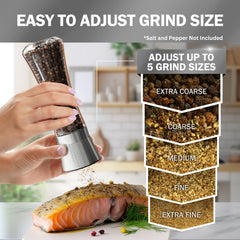
The Best Ceramic Burr Pepper Grinder: What to Look For and Why It Matters
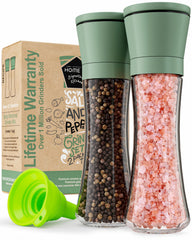
How to Adjust the Coarseness on a Pepper Grinder (And Why It Actually Matters)
