The Best Peppercorns for Grinding: What to Buy and Why It Actually Matters
Not all peppercorns are created equal — and once you've tasted freshly ground pepper from a high-quality source, the pre-ground stuff in a tin starts to feel like a real compromise. But if you're shopping for the best peppercorns for grinding, the options can get overwhelming fast. Black, white, green, red, Tellicherry, Sarawak — the labels pile up and the differences aren't always obvious. This guide cuts through the noise so you know exactly what you're buying and why it makes a difference in your cooking.

Why Whole Peppercorns Are Worth the Extra Step
Pre-ground pepper loses its volatile oils — the compounds responsible for that sharp, aromatic heat — within days of being cracked open. By the time a jar of pre-ground pepper reaches your spice rack, a lot of that complexity is already gone. Whole peppercorns lock those oils in until the moment you grind them.
The difference is most obvious in simple dishes where pepper does real work: a creamy pasta, a pan sauce, scrambled eggs. When pepper is the flavor, its quality shows. Whole peppercorns also let you control the grind size — coarse for a crust on a steak, fine for a delicate vinaigrette.
Black Peppercorns: The Standard, Done Well
Black peppercorns are the workhorse of the pepper world, and for most cooks, they're the right starting point. But within black peppercorns, quality varies considerably depending on origin and grade.
Tellicherry peppercorns from the Malabar Coast of India are widely considered the gold standard. They're allowed to ripen longer on the vine before harvesting, which produces a larger berry with a more complex, fruity heat — less sharp and biting than cheaper varieties, more rounded and aromatic. If you're going to grind black pepper daily, Tellicherry is the grade worth seeking out.
Sarawak peppercorns from Malaysian Borneo are another excellent option. They tend to be slightly milder, with a floral, earthy note that works beautifully in Asian-inspired dishes. Lampong peppercorns from Indonesia are sharper and more pungent — a solid everyday choice that's often more affordable.
White, Green, and Red: When to Branch Out
Once you've got your black pepper dialed in, it's worth knowing what the other varieties bring to the table — because they're not just novelties.
White peppercorns are actually the same berry as black, just processed differently: the outer skin is removed, leaving a smoother, more fermented flavor. They're sharper and less complex than Tellicherry black, but they're essential in certain dishes — white sauces, mashed potatoes, light-colored soups where black specks would be distracting. They grind beautifully in a standard ceramic burr grinder.
Green peppercorns are harvested young and tend to be softer and milder, with a fresh, slightly grassy flavor. Dried green peppercorns work fine in a grinder, though they're less common. They shine in creamy French-style sauces and aren't a typical everyday grinder fill.
Pink peppercorns deserve a quick mention: they're not true peppercorns at all, but dried berries from a South American shrub. They're fragrant and mildly sweet, and they add real visual interest to a pepper blend. Use them as part of a mixed-berry blend rather than on their own — they're too mild to carry a dish solo.
What to Look for When Buying Peppercorns for a Grinder
The variety matters, but so does the physical quality of the berry. Here's what to pay attention to before you fill your grinder:
Size and uniformity. Larger, consistently-sized peppercorns feed through a ceramic burr mechanism more evenly. Tellicherry peppercorns earn their premium partly on size alone — those bigger berries have had more time to develop oils.
Dryness. Moisture is a grinder's enemy. Peppercorns should feel dry and firm, not tacky. If they clump together in the bag, they'll clump in the grinder too. Buy from sources with decent turnover — specialty spice shops, well-reviewed online sellers — rather than a jar that's been sitting on a supermarket shelf for two years.
Aroma. Open the bag and smell them. Good peppercorns smell alive — sharp, floral, complex. Flat, dusty, or barely-there aroma means the oils have faded and the flavor will follow.

The Grinder Matters Just as Much as the Pepper
You can source the finest Tellicherry peppercorns in the world and still get a disappointing result if your grinder can't do them justice. A ceramic burr mechanism — the kind that crushes rather than cuts — preserves heat-sensitive volatile oils far better than a steel blade. It also gives you real control over grind coarseness, which matters depending on what you're cooking.
The grinder's body shape and capacity matter too, especially if you're cooking regularly. A tall grinder holds more, stays stable on the counter, and is easier to refill. A shorter, more compact option suits smaller kitchens or a minimalist table setting.

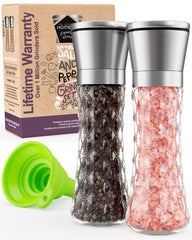
Home EC Salt and Pepper Grinder Set 2pk-Tall — Copper
The tall body fits a generous fill of whole peppercorns, and the ceramic burr mechanism handles everything from Tellicherry to coarse sea salt without skipping. The warm copper finish looks sharp on a countertop or dinner table.
Shop Now →Pepper Blends: A Smart Way to Add Complexity
If you want more nuance without overthinking it, a pre-mixed whole peppercorn blend is a great option for your everyday grinder. Look for blends that combine Tellicherry black, white, green, and pink peppercorns — the combination gives you sharpness, floral warmth, and just a hint of sweetness all at once.
These blends work especially well for finishing dishes at the table, where the complexity actually registers on the palate rather than getting cooked off in a pan. They also look beautiful in a clear-bodied grinder.

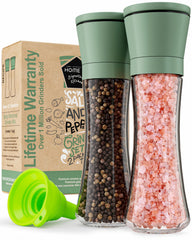
Home EC Salt and Pepper Grinder Set 2pk-Tall — Green
A clean, modern look with the same adjustable ceramic burr grind you'd expect from a premium set. Fill one with a Tellicherry blend and the other with a quality sea salt — this pair covers everything at the table.
Shop Now →How to Store Whole Peppercorns So They Stay Fresh
Even the best peppercorns will go flat if you store them poorly. Keep them in an airtight container away from heat and direct light — a cool, dark cupboard is ideal. A spice drawer near the stove sounds convenient until you realize that the ambient heat is slowly killing your peppercorn's flavor every time you cook.
Only fill your grinder with what you'll use in a few weeks. Peppercorns sitting in an open grinder are still exposed to air and light with each use. A tighter grinder cap helps, but rotating your stock regularly matters more than any storage trick.
Properly stored whole peppercorns stay flavorful for up to three years. Ground pepper? More like three months before it noticeably fades. That gap alone makes a strong case for grinding fresh every time.
The Short Answer on Which Peppercorns to Buy
If you only want one recommendation: Tellicherry black peppercorns, sourced from a specialty spice retailer with good turnover. They're the best everyday option for grinding — complex enough to be interesting, sharp enough to do real work in a dish, and consistent enough to fill your grinder with confidence.
From there, add white peppercorns when a recipe calls for them, and try a mixed-berry blend if you want something that adds dimension at the table. The best peppercorns for grinding are the ones that are fresh, dry, and matched to a grinder that can actually crack them properly. Start there and you'll notice the difference immediately.
Related Posts
The Best Salt and Pepper Grinder for Arthritis: What Actually Makes a Difference
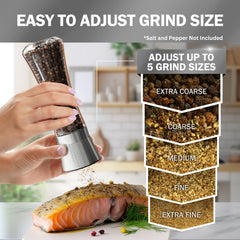
The Best Ceramic Burr Pepper Grinder: What to Look For and Why It Matters